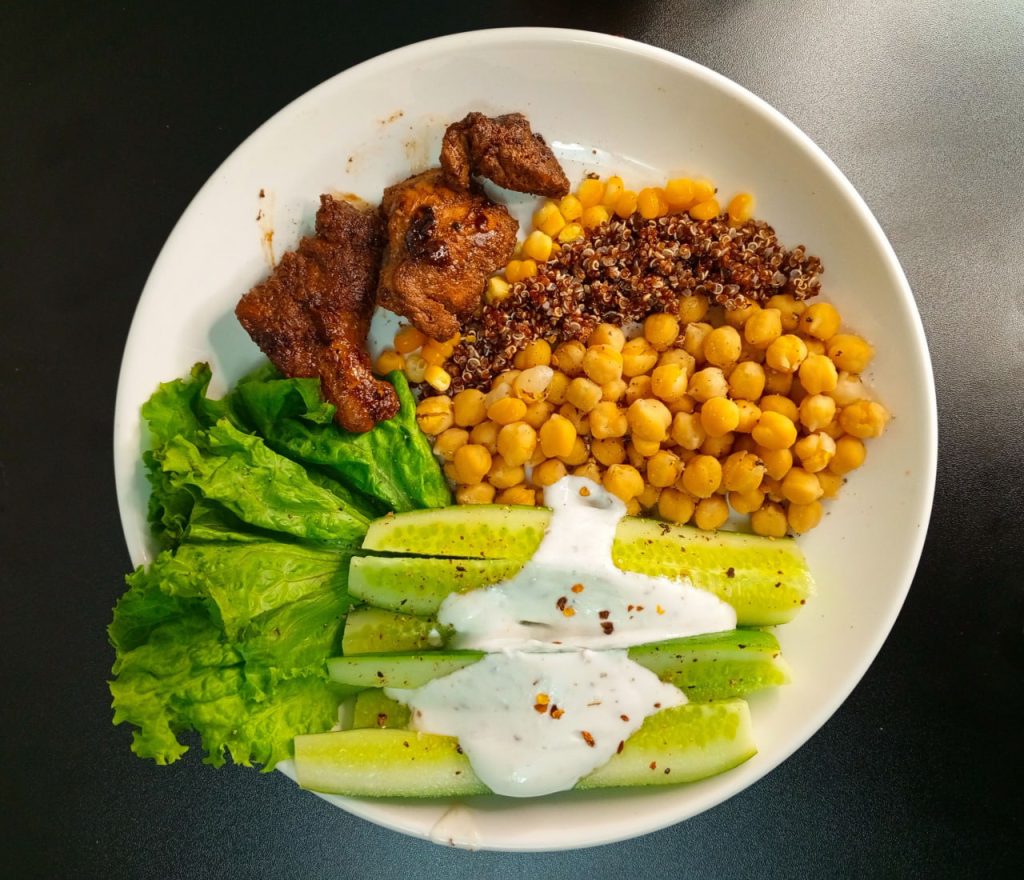
From protein to fibre, here’s a doctor’s simple guide to what your plate should contain for a balanced meal.

What we eat every day affects our health, energy levels, and long-term well-being. Poor dietary habits are among the leading contributors to disease worldwide, while dietary deficiencies, diabetes, and high blood pressure remain major health concerns in India. A balanced diet provides the nutrients needed for growth, immunity, metabolism, and overall health. Dr Onkar Swami, Senior VP, Medical Services, Alembic Pharmaceuticals Limited, shared what you should have on your plate.
Start with variety
The first principle of healthy eating is to consume a variety of foods. Dr Onkar highlighted that no single food contains all the nutrients the body needs. Dietary diversity helps ensure adequate intake of carbohydrates, proteins, fats, vitamins, minerals, and other beneficial components.

Half the plate: fruits and vegetables
According to Dr Onkar, one of the simplest ways to improve your diet is to fill half your plate with fruits and vegetables. “These foods are rich in vitamins, minerals, antioxidants, and dietary fibre that support immunity, promote digestive health, and help reduce the risk of chronic diseases,” added Dr Onkar. Including a variety of colorful fruits and vegetables ensures a broader range of nutrients and health benefits.
One quarter: whole grains and millets
“Whole grains and millets provide energy along with fibre, B vitamins, and several essential minerals,” said Dr Onkar. Include diverse cereals and millets rather than relying on a single grain. Replacing refined grains with whole grains can help improve satiety, support gut health, and contribute to better metabolic health.
One quarter: protein-rich foods
Proteins are essential for tissue growth, repair, maintaining muscle mass, and the production of hormones and enzymes. They can be obtained from both animal and plant sources, including dairy products, eggs, fish, legumes, soy products, nuts, and seeds.
Fats are essential, but choose wisely and in moderation
Fats are important for cell function, energy storage, and absorption of fat-soluble vitamins. However, the key is moderation. Prefer unsaturated fats from fish, nuts, seeds, and plant oils while limiting saturated fats. “Excess consumption of visible fats, highly processed foods, and foods rich in unhealthy fats should be avoided,” explained Dr Onkar.
What should stay off your plate?
Excess salt intake, sugar-sweetened beverages, and highly processed foods should be limited. Limiting these helps to reduce the risk of obesity, high blood pressure, diabetes, and heart diseases.
Alongside the plate: water
Adequate hydration is essential for digestion, nutrient transport, temperature regulation, and overall body functioning.